Graphic Designer Jobs in the USA 2026
ADS
Graphic design is one of the most exciting and creative careers. It combines art, technology, and communication. In 2026, graphic designers continue to be in demand across digital and print industries in the USA. This article will explain the role, skills, salary, and career prospects for graphic designers.
What Is Graphic Design?
Graphic design is the art of creating visual communication. Designers use images, colors, fonts, and layouts to create logos, posters, websites, packaging, and social media content. They help businesses and organizations communicate visually. 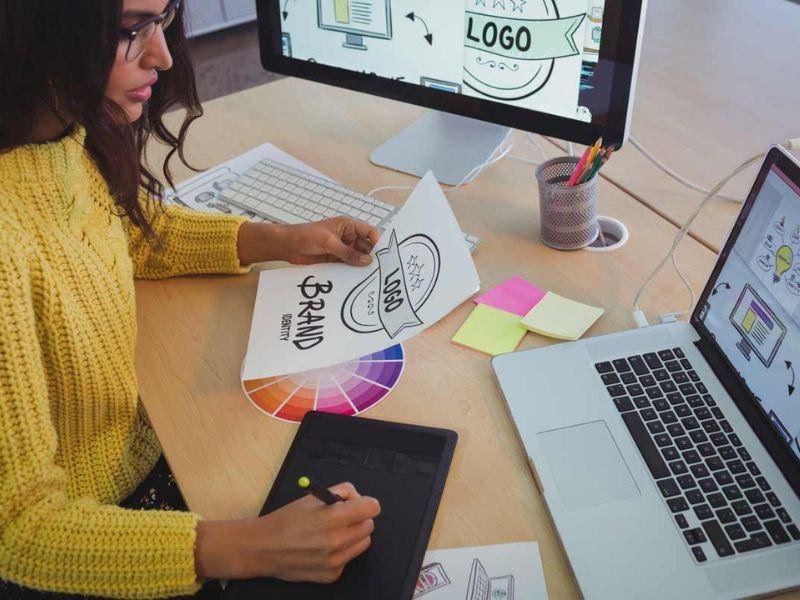
Graphic design is everywhere — on websites, apps, advertisements, billboards, and products. The demand for designers remains strong as companies focus on branding and digital presence.
Role of a Graphic Designer in 2026
Graphic designers work on a variety of tasks:
ADS
Designing logos, branding, and business identities
Creating marketing materials like posters, brochures, and flyers
Making social media graphics for platforms like Instagram, TikTok, and YouTube
Designing website and mobile app layouts
Producing motion graphics and animations
Collaborating with marketing teams, developers, and clients
Digital skills are now essential, as most work is online. Designers often need knowledge of UI, UX, and motion graphics.
Job Market in 2026
The graphic design job market in the USA is competitive but steady:
Employment growth is expected to be moderate (2–3% over the next decade)
Demand is high in digital marketing, tech companies, and creative agencies
Print design jobs are declining, while digital and motion design roles are increasing
Freelancing has also grown, offering flexible work opportunities.
Salary Expectations
Graphic designer salaries vary based on experience, location, and specialization:
Entry-level: $30,000–$45,000 per year
Mid-level: $50,000–$70,000 per year
Senior/Art Director: $70,000–$130,000+ per year
Freelancers: $25–$75 per hour
Salaries are higher in cities like New York, San Francisco, and Los Angeles.
Types of Graphic Design Jobs
Junior Designer: Supports senior designers, learns software, works on layouts
Digital/Web Designer: Creates website and app visuals, focuses on UI/UX
Motion Graphics Designer: Produces animated graphics and videos
Brand Identity Designer: Develops logos, style guides, and brand visuals
UX/UI Designer: Focuses on user experience and interface design
Freelance Designer: Works independently for multiple clients
Art Director/Creative Lead: Manages teams and oversees creative projects
Specializing in one area can improve career prospects.
Skills Needed in 2026
Core Design Skills
Typography
Color theory
Layout and composition
Creative problem solving
Visual communication
Technical Skills
Adobe Creative Suite (Photoshop, Illustrator, InDesign)
Figma or Sketch for web and UI design
After Effects for motion graphics
Digital & AI Skills
Basic web and UX knowledge
Understanding of AI tools for design drafts
Ability to export assets for web and mobile
Soft Skills
Communication
Teamwork
Time management
Client presentation
Education and Training
Graphic designers may come from:
College degrees: Associate or Bachelor’s in Graphic Design
Design bootcamps: Short-term courses focusing on software and digital design
Online courses: Platforms like Coursera, Udemy, LinkedIn Learning
Self-taught: Learning through practice and building a portfolio
Practical experience and a strong portfolio are often more important than formal degrees.
Building a Strong Portfolio
A portfolio is critical for landing a job:
Include your best work only
Show variety (branding, web, motion, packaging)
Explain your design decisions
Keep it updated regularly
Use online platforms like Behance or Dribbble
Freelance vs Full-Time Work
Full-Time
Stable salary and benefits
Career growth and collaboration opportunities
Freelance
Flexible schedule
Variable income
Opportunity to work with multiple clients
Many designers start freelance while working full-time to gain experience.
Future Trends
Digital-first design: Most work is now online
Motion and interactive design: Growing in demand
AI integration: Designers using AI tools gain efficiency and creativity
Human-centered design: Focus on authentic and meaningful visuals
The best designers adapt to technology and evolving design trends.
Top Locations for Designers in the USA
California (San Francisco, Los Angeles)
New York
Texas (Austin, Dallas)
Florida (Miami)
These areas have strong demand in tech, advertising, and creative industries.
Conclusion
Graphic design in the USA remains a rewarding career in 2026. The field offers creativity, flexibility, and opportunities for growth. To succeed, designers must:
Keep learning new tools and trends
Build a strong, diverse portfolio
Adapt to digital, motion, and AI-enhanced design
Communicate effectively with clients and teams
With the right skills and creativity, graphic designers can have a successful and fulfilling career in 2026.

.jpg)


.jpg)