Plumbing Engineer Jobs in the USA 2026: An Overview of Plumbing Engineer
ADS
Looking for a Plumbing Engineer job in the USA in 2026? You’re in the right place! Plumbing engineers play a key role in designing and maintaining safe, efficient, and sustainable plumbing systems for homes, offices, hospitals, and commercial buildings.
In this guide, you’ll learn everything about the career — what it is, how to become a plumbing engineer, salary expectations, skills required, career growth, and how to find jobs in the USA.
What is a Plumbing Engineer? 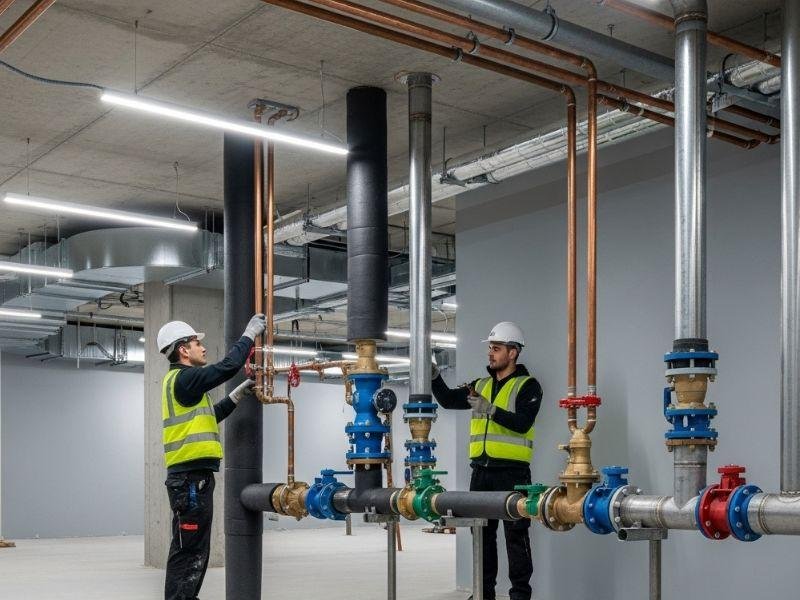
A plumbing engineer is a specialized type of mechanical engineer focused on plumbing systems. These systems include:
Domestic water supply
Sanitary waste and vent systems
ADS
Stormwater drainage
Fire protection systems
Specialty piping like medical gas systems
Plumbing engineers ensure that buildings have safe, reliable, and code-compliant plumbing systems. They work closely with architects, contractors, and other engineers to make buildings function efficiently.
Why Plumbing Engineering is Important in 2026
Plumbing engineering is more than just installing pipes. In 2026, plumbing engineers:
Ensure compliance with building codes and safety regulations
Prevent flooding and contamination
Design efficient fire safety systems
Support water conservation and sustainability initiatives
Integrate modern smart building technologies
With a shortage of skilled workers in plumbing and mechanical trades, plumbing engineers are in high demand for designing and managing complex plumbing systems in large projects.
Plumbing Engineer vs. Plumber
|
Plumbing Engineer |
Plumber |
|---|---|
|
Designs plumbing systems |
Installs and repairs systems |
|
Needs a bachelor’s degree |
Often trained through apprenticeship |
|
Works in engineering firms or consultancies |
Works in construction or repair |
|
Focuses on calculations and design |
Focuses on hands-on installation |
Plumbing engineers are responsible for design and planning, while plumbers handle the installation and maintenance. Both are essential for successful building projects.
Job Responsibilities
A plumbing engineer’s daily tasks include:
Designing plumbing systems with AutoCAD, Revit, or BIM software
Ensuring compliance with building codes and standards
Coordinating with architects, contractors, and other engineers
Managing project timelines and budgets
Inspecting and testing systems before project completion
Writing technical reports and consulting on sustainable solutions
Education Required
To become a plumbing engineer in the USA:
Bachelor’s Degree – in Mechanical Engineering or a related field.
Internships & Experience – work on real projects to build practical skills.
Engineer in Training (EIT) – pass the FE exam to start professional certification.
Professional Engineer (PE) License – optional but highly recommended.
Industry Certifications – such as Certified in Plumbing Design (CPD) or LEED for sustainability.
Skills Required
Technical Skills:
AutoCAD, Revit, and other BIM software
Hydraulic and load calculations
Knowledge of codes and standards (IPC, UPC, NFPA, ASPE)
Sustainable design principles
Soft Skills:
Communication
Teamwork
Problem-solving
Salary and Compensation (2026)
Plumbing engineer salaries in the USA vary based on experience, location, and certifications:
Entry-level: $58,000 – $96,000
Average: $70,000 – $135,000
Senior / Experienced: $90,000 – $170,000+
Top-paying locations include California, New York, and Washington D.C. Certifications like PE and CPD increase earning potential.
Job Demand and Outlook
Plumbing engineers are in demand due to:
Continued construction of residential, commercial, and healthcare buildings
Focus on sustainable and smart building systems
Workforce shortages in the mechanical and plumbing sector
This makes plumbing engineering a stable and growing career in 2026.
Typical Employers
Plumbing engineers work in:
Engineering consulting firms
Architecture and design studios
Construction and MEP (Mechanical, Electrical, Plumbing) companies
Government agencies
Large facilities and property management companies
Notable companies hiring plumbing engineers include WSP, Arup, and Jacobs Engineering.
Career Path
Entry Level: Plumbing Engineer I, Junior MEP Engineer
Mid Career: Plumbing Engineer II, Project Engineer
Senior Level: Senior Plumbing Engineer, MEP Team Lead
Leadership: Engineering Manager, Principal Engineer, Director of Engineering
Finding Plumbing Engineer Jobs
Ways to find jobs in the USA in 2026:
Job Boards: LinkedIn, Indeed, Glassdoor, Talent.com
Company Websites: Check careers pages of engineering firms
Networking: Join the American Society of Plumbing Engineers (ASPE)
Internships & Graduate Programs: Many companies offer entry-level programs
Certifications That Boost Your Career
Engineer in Training (EIT)
Professional Engineer (PE) License
Certified in Plumbing Design (CPD)
LEED Accreditation for sustainability
Challenges in the Field
Keeping up with new codes and standards
Managing cost and sustainability balance
Coordinating across multiple disciplines
Meeting tight project deadlines
Strong problem-solving and communication skills are key to overcoming these challenges.
Conclusion
A Plumbing Engineer career in the USA in 2026 is both stable and rewarding. With the right education, certifications, and skills, you can build a career designing safe, sustainable, and modern plumbing systems. Whether you aim for entry-level roles or senior leadership, opportunities in this field are plentiful and growing.
.jpg)

.jpg)